The opening of an energy meter in 4 steps
Are you moving house soon? One of your concerns is probably the electricity and/or gas supply to your new home. But just to make sure it’s easy: follow the guide!
You must complete several formalities to ensure energy when changing address.
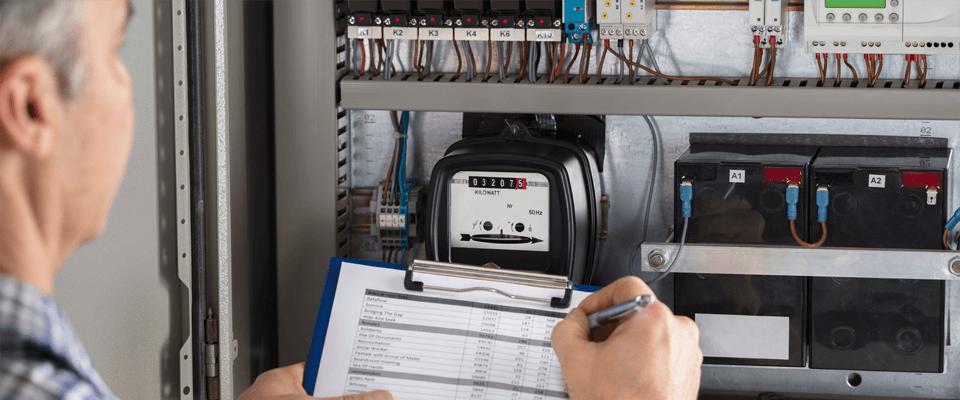
When a new building is built, it must be connected to the local electricity and/or gas grid. In this way, an electricity meter (or several) can be installed. Of course, the same is applicable to gas. Only once connection has been made can the first commissioning take place. That is, the first opening of the meter.
But in the context of moving into a previously inhabited home, an electricity or gas meter usually already exists. If it is still open, you need only change it to your name and record the indices. However, it may have been closed for one reason or another: supply stoppage, closure of meters by the owner due to not using the building if an empty house contract is not entered into, etc. In this case, it may be necessary to reopen the counter. But how can you request this operation?
Steps to open or reopen a meter
- Ask your supplier for a ‘meter opening’ contract
- Acknowledgement of the request for commissioning
- Checking of your data and application with your DSO
- Making an appointment with your DSO to open the meter
1. Ask your supplier for a ‘meter opening’ contract
Before you can open a new meter or reopen a previously closed meter, you must choose an energy supplier. To do so, you can use the electricity and gas price comparison website. It will help you find out which matches your criteria as well as the cheapest energy deals on the market.
Having completed this step, simply fill out a form online or by phone with the details of one of the occupants of the dwelling. This form must also contain the EAN code(s) setting out the point(s) of supply.

 Within 24 to 72 hours after your request on Energyprice, you can contact your DSO to make an appointment with it. Then, an agent will be sent on site to open the meter(s). The supply then starts in classic fashion and the first payment invoice will arrive two, or even three weeks later.