04 378 31 76
Contact
  • FR
  • NL
Log in
  • Compare energy suppliers
    Contact
    FAQ
Log in
  • Compare energy suppliers
    Contact
    FAQ
Contact
  • Français
  • Nederlands
04 378 31 76
Average of 36,462 visitors per month, the last 6 months.
  • Privacy
  • Terms of use
  • Cookie settings
  • Privacy settings
DPG Media nv - Mediaplein 1, 2018 Antwerpen nr. 0432.306.234
Seven energy-saving tips for the kitchen
  • Home
  • Blog
  • Technology and environment
  • Seven energy-saving tips for the kitchen

Seven energy-saving tips for the kitchen

  • |
  • November 18, 2019
  • |
  • Last update on July 11, 2024
  • |
  • 5 min.

Reduce your energy consumption when cooking – it can be done! From using the right utensils to optimising your cooking time: discover seven simple, effective tips on how to save energy in the kitchen!

1/ How can you save energy when cooking?

Reducing the energy used in your kitchen is easy!

  • When cooking food, use pans and frying pans with thick bases, as they will store more heat.
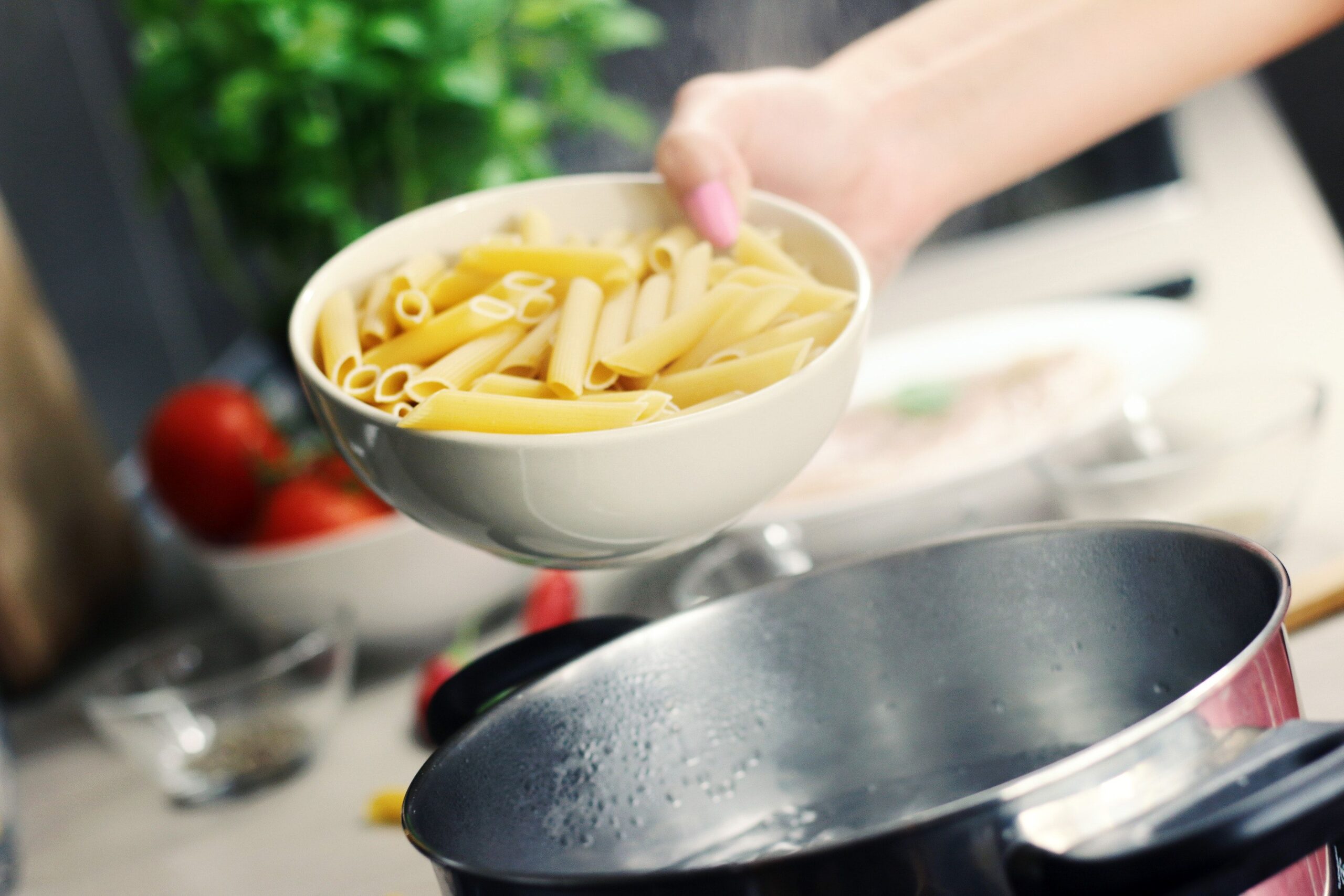
  • If you are boiling water, use water that is already hot and put the lid on the pan. This will cut the heating time by a factor of three.
  • Put your frying pans and casserole dishes on the hobs of the closest size to avoid unnecessary heat loss.
  • If possible, use a pressure cooker, which can cut energy use by up to 70%.
  • Switch off your ceramic hob ten minutes before the end of the cooking time. This isn’t necessary if you use an induction hob.
  • Defrost your frozen food before cooking.
  • When buying a new cooker, look for an induction and/or ceramic hob rather than a traditional electric hob. Alternatively, gas cookers enable better control of the energy used (which is why professional cooks use them).


How can you save energy when boiling water? How can you save energy when boiling water?

Did you know?An electric hob consumes twice as much energy as a gas cooker, and an induction hob consumes 20% less energy than a ceramic hob.

2/ How can you reduce the energy consumption of your oven?

Rather than opening the door of your oven, losing significant amounts of heat, use the interior light to see whether your dish is ready! Use a fan oven and/or combined oven and microwave to reduce cooking times and prepare several dishes at the same time.

3/ Use a dishwasher rather than washing up by hand.

Did you know? Washing up by hand uses five times more water and energy than using a dishwasher!

  • If you have a dual-rate meter, turn the dishwasher on in the evening (during the off-peak period).

There is always a peak in household consumption between 6 pm and 8 pm. The grid has to use top-up power plants, which cause more pollution, to make up for increase in demand. If you can’t be home at the right time, program your dishwasher’s timer.

  • Load the dishwasher to its maximum capacity to reduce the frequency of washes.
  • Descale your machine ecologically using white vinegar, which will prevent hard water from depositing limescale. Limescale extends the time needed to heat the water.

4/ Use mechanical utensils

Beating eggs, squeezing oranges and slicing vegetables – in the kitchen, lots of electrical appliances help save time in exchange for a little electricity consumption.


Use mechanical utensils in the kitchen to reduce your energy consumption Use mechanical utensils in the kitchen to reduce your energy consumption

By using their mechanical equivalents instead (and a little elbow-grease), you can save energy and reduce your environmental footprint by a corresponding amount!

 5/ Use low-energy light bulbs instead of incandescent bulbs

As well as providing better lighting, LED bulbs consume much less energy and last longer than conventional bulbs. Despite a higher purchase price, low-energy bulbs will save you money in the long term.

6/ Use low-energy white goods in your kitchen

An electrical appliance with an A+++ energy rating (the highest) will consume less than an appliance rated A, B, C or D.

[sc name=”comparer-greenpeace”]

When buying new equipment, check this label, which is mandatory for fridges and freezers, dishwashers, light bulbs, ovens and extractor fans. The label also states the electricity consumption in kWh/year and the water consumption (in litres) for washing machines. Did you know? To convert kWh/year into euros, just divide by four. 1 kWh costs €0.25 on average. When you combine this with an energy supplier with a low kWh price, you can only save money!

7/ Take care of your freezer and fridge

Fridges and freezers are among the most energy-intensive electrical appliances in the home. As they operate all year round, fridges and freezers alone represent no less than 18% of a household’s electricity consumption!

  • Locate your fridge away from any heat sources (radiator, oven, hob etc.).
  • Leave at least 10 cm of space above and behind fridges and freezers to allow air to circulate.
  • Set your fridge to between 4°C and 5°C and your freezer to -18°C.
  • Let your hot dishes cool down before putting them in the fridge.
  • Defrost your fridge and/or freezer every three months. When it reaches a thickness of 3 mm, ice creates an insulating layer that increases your energy consumption by 30%.
  • Once a year, clean the grille at the back of your fridge to avoid obstructing heat evacuation.
hanna.deweirdt
Authorhanna.deweirdt

Summary

    I want to calculate how much I can save on my energy bill

    Overview of energy prices in Belgium

    Energyprice.be offers a complete overview of current energy prices in all cities in Belgium. Are you paying too much?

    Energy prices in your city

    Also read on our blog

    4 steps to successfully connect your home to the gas network
    Consumption and advice
    4 steps to successfully connect your home to the gas network

    Summary What is a gas connection? How do you connect your home to the gas network? Submitting a request for a gas connection Carry…

    8 min.
    Read more
    Energy price comparison: when should you do it?
    Autre
    Energy price comparison: when should you do it?

    Regularly comparing prices for your energy contract is essential. It means you can take advantage of the best market conditions. B…

    Read more
    Total's acquisition of Poweo shakes up the Belgian energy market
    Energy market
    Total's acquisition of Poweo shakes up the Belgian energy market

    The news broke this morning: oil giant Total (which had already turned heads by buying the Liège-based 100% green energy company L…

    Read more
    Switch from lean gas to rich gas in Belgium – what will the impact be?
    Energy market
    Switch from lean gas to rich gas in Belgium – what will the impact be?

    Starting next year, some Belgian households currently supplied with lean gas (type L) will switch to rich gas (type H). The operat…

    4 min.
    Read more